
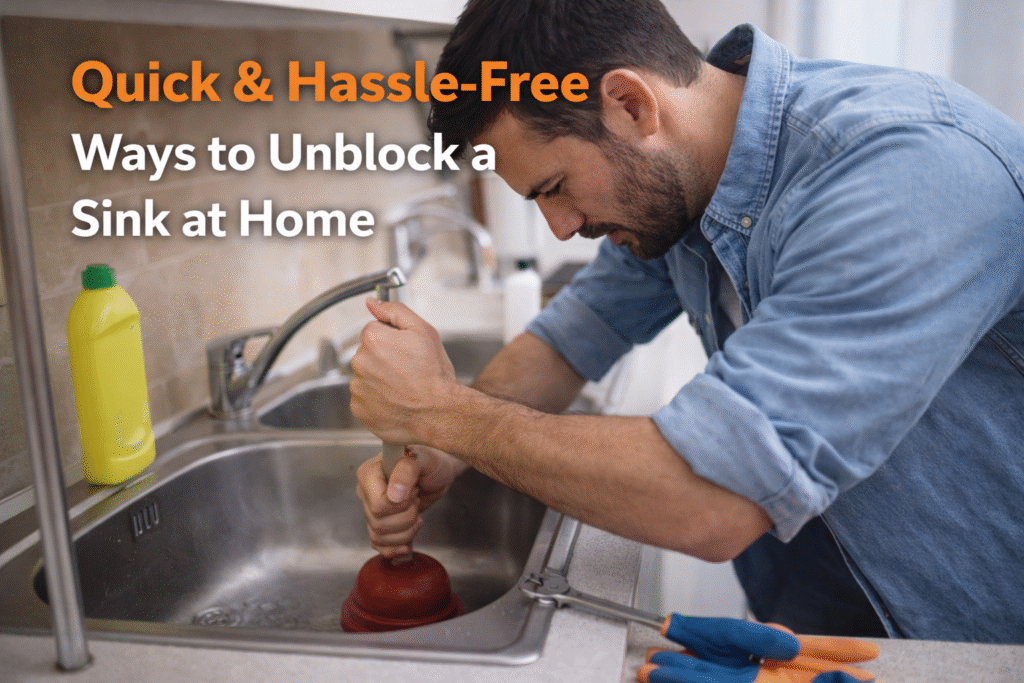
Quick & Hassle-Free Ways to Unblock a Sink at Home
A blocked sink disrupts daily routines and can quickly become a larger plumbing concern if ignored. Whether it’s kitchen grease, soap residue, or food particles, addressing the problem promptly saves time, stress, and money. This guide covers practical solutions for unblocking sinks, safety tips, and ways to prevent future blockages. From DIY fixes to knowing when to call professionals, Mqoola Services ensures your plumbing runs smoothly and efficiently, keeping your home functional and worry-free.
Understanding Why Sinks Get Blocked
Clogs often start small but can quickly escalate if left unaddressed. Knowing the common causes helps homeowners prevent repeated issues and avoid costly plumbing repairs. Recognizing patterns in your daily use and environment ensures smoother drainage and fewer emergencies.
Common Causes of Sink Blockages
Several everyday factors contribute to slow or blocked drains in both kitchens and bathrooms.
- Accumulation of grease, oils, or fat in kitchen sinks, which solidify over time
- Hair and soap residue in bathroom sinks that build up inside the pipes
Environmental and Usage Factors
Beyond debris, environmental and usage patterns impact drainage performance.
- Hard water deposits gradually reduce pipe diameter, making clogs more likely
- Frequent washing of large amounts of food waste or excessive chemical cleaners can damage pipes and cause backups
Understanding these factors allows homeowners to adopt preventive habits, schedule proper maintenance, and call professionals when necessary to maintain efficient plumbing systems.
Quick DIY Methods to Unblock a Sink
Simple methods can often clear minor clogs quickly. Using the right tools and techniques saves time and prevents unnecessary expenses. With basic household items and a few handy tools, most minor blockages can be resolved efficiently without calling a plumber.
Mechanical Techniques
Plungers and hand tools are highly effective for dislodging common clogs.
- Use a sink plunger to create suction and remove debris trapped in the drain
- Employ a plumber’s snake or drain auger for stubborn blockages that won’t budge
- Remove and clean the P-trap to eliminate accumulated residue and restore flow
Chemical and Natural Remedies
Safe chemical products or home remedies can tackle minor obstructions.
- Mix baking soda and vinegar to gradually clear organic buildup
- Pour boiling water carefully to dissolve grease and soap residue
- Enzyme-based cleaners can help break down hair and other particles
Maintaining a clean and safe sink area is essential, especially in homes designed for children like in child-friendly kitchens. Combining mechanical methods with natural remedies keeps drains flowing efficiently while reducing chemical use.
Avoiding Common Plumbing Mistakes
Small mistakes may seem harmless at first but can lead to recurring sink blockages and costly repairs. Being aware of everyday habits and renovation pitfalls protects your plumbing system and prolongs its lifespan. Smart planning and consistent maintenance help prevent unnecessary headaches and ensure smooth drainage throughout your home.
Everyday Habits That Cause Clogs
Daily routines often create long-term problems if ignored.
- Pouring grease, oils, or fat directly into the sink can coat pipes and cause buildup over time.
- Flushing large food scraps, coffee grounds, or non-degradable items accelerates blockages.
Even seemingly minor slow drains should be addressed promptly to prevent bigger plumbing issues.
Renovation and Maintenance Pitfalls
Incorrect installations or overlooked maintenance can worsen clog risks.
- Improper pipe slopes during kitchen remodeling trap debris and reduce flow efficiency.
- Using low-quality fittings or skipping routine inspections increases the likelihood of recurring problems.
Even minor renovation oversights can affect drainage efficiency and lead to recurring maintenance costs, making proactive planning and periodic checks essential.
Professional Help for Stubborn Blockages
Some sink clogs resist DIY methods, and forcing a solution can damage pipes or fixtures. Calling in professionals ensures safe, effective, and long-lasting results. Early intervention prevents minor blockages from turning into expensive plumbing emergencies.
When to Call a Plumber
Knowing the warning signs helps you act before serious damage occurs.
- Persistent or recurring slow drains even after DIY attempts
- Foul odors or water backing up into multiple sinks
- Visible leaks or water pooling under the sink
Choosing Reliable Plumbing Services
Working with experts guarantees proper resolution and protects your home.
- Licensed plumbers using modern tools for efficient fixes
- Transparent pricing with clear service guarantees
- Quick response to urgent plumbing issues
Finding reliable home services ensures your plumbing remains safe, functional, and stress-free. Regular checks minimize future blockages and keep sinks flowing smoothly.
Preventive Tips to Keep Your Sink Clear
Preventing clogs is far easier than constantly dealing with blocked sinks. By adopting simple habits and scheduling routine checks, you can maintain smooth drainage and avoid plumbing emergencies. Small daily efforts combined with professional guidance ensure your pipes stay clean and functional for the long term.
Daily Habits for a Healthy Drain
Routine practices help stop debris from accumulating in kitchen and bathroom sinks.
- Use strainers to catch hair, food particles, and small objects
- Avoid pouring grease, oils, or fat directly into the drain
- Run hot water regularly to flush away minor buildup
Periodic Maintenance and Inspections
Regular maintenance reduces the risk of major blockages and extends pipe lifespan.
- Schedule professional inspections for pipes and drains, monitoring water flow and pressure regularly helps maintain optimal drainage
- Clean P-traps and accessible pipes periodically
- Check faucets, valves, and fittings to ensure everything functions correctly
Combining daily care with periodic inspections keeps your sink clear, minimizes repair costs, and ensures a stress-free plumbing system.
Upgrading Your Plumbing System
Modern plumbing upgrades not only reduce recurring sink blockages but also enhance your home’s overall functionality. Updating fixtures and pipes protects your investment, improves water flow, and minimizes the need for frequent repairs. With the right improvements, your kitchen or bathroom becomes more efficient and easier to maintain.
Hardware and Fixture Improvements
Replacing old components can drastically improve performance and reliability. Modern sinks and faucets reduce clogs and ensure smooth water flow.
- Install modern sink traps with smooth bends to prevent debris accumulation
- Upgrade faucets with built-in filters or aerators for efficiency
Professional Renovation and Maintenance
Experts can install new plumbing systems while keeping your home design intact. Customized solutions optimize drainage and reduce long-term issues.
- Efficient pipe layouts for better water flow
- Reduced need for emergency repairs over time
Working with professional plumbing teams ensures that upgrades are done correctly and your system remains efficient long-term, giving peace of mind and lasting performance.
Keep Your Sinks Flowing Smoothly
Blocked sinks are common but preventable problems. Timely DIY fixes, smart habits, and professional support ensure smooth drainage and long-lasting pipe health. Taking care of your plumbing protects your home from costly damage and stress.
Contact Mqoola Services today to schedule expert plumbing inspections or maintenance and enjoy hassle-free, flowing sinks in every corner of your home.
FAQs
1. How quickly should I unblock a slow sink?
Minor slowdowns should be addressed immediately to prevent full blockages and pipe damage. Quick action reduces repair costs.
2. Can I use chemical cleaners regularly to clear clogs?
Occasional use is safe, but frequent chemicals can harm pipes. Mechanical or natural methods are preferable for ongoing maintenance.
3. How do I know if my sink blockage needs a professional?
Persistent clogs, foul odors, or water backups indicate a professional plumber is required for safe resolution.
4. Can preventive habits really reduce future blockages?
Yes, simple steps like using strainers and avoiding grease drastically cut the risk of recurring clogs.
5. Are modern plumbing upgrades worth the investment?
Upgrades save long-term repair costs and improve water flow efficiency, making them a smart home investment.