
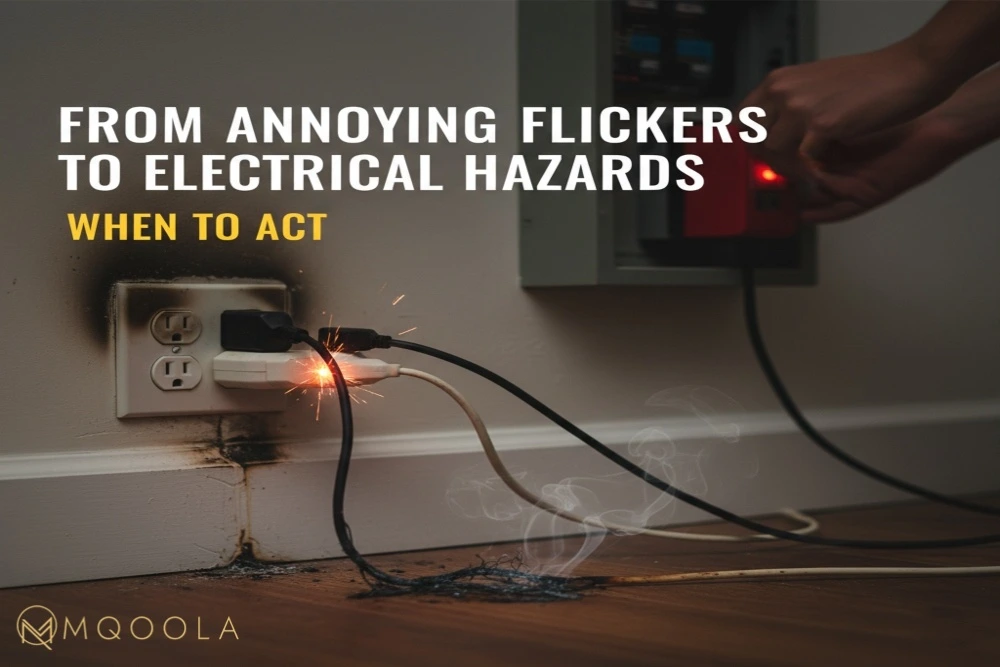
From Annoying Flickers to Electrical Hazards: When to Act
Flickering lights are more than just an annoyance, they can sometimes signal a deeper problem in your home’s electrical system. While occasional flickers might be harmless, frequent or widespread flickering could indicate serious home electrical issues that shouldn’t be ignored. Ignoring these signs may lead to equipment damage, unexpected outages, or even fire hazards. In this guide, we’ll walk you through the common causes of flickering lights, easy fixes you can try, and essential electrical safety tips, so you know when it’s time to seek professional electrical repair in Dubai.
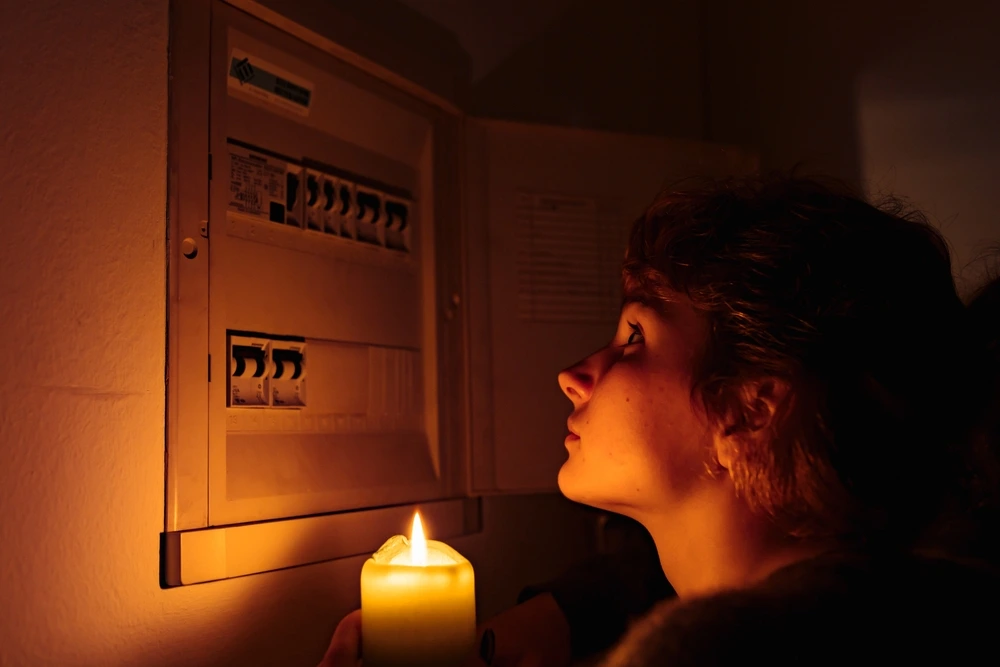
Why Lights Flicker
Understanding Common Causes of Flickering Lights
Flickering lights are a common household issue, and they can happen for several reasons. Sometimes, the problem is simple and easy to fix, while other times, it could signal a deeper electrical problem that needs professional attention.
Some common causes include:
- Loose or faulty bulbs: A bulb that is not screwed in properly can flicker. Old or low-quality bulbs can also be the culprit.
- Overloaded circuits or tripped breakers: Plugging too many devices into the same circuit can cause the lights to flicker intermittently.
- Damaged wiring or outdated electrical systems: Old wiring may not handle modern electricity demands, creating voltage fluctuations.
- High-power appliances: Appliances like air conditioners, ovens, or washing machines can temporarily drop voltage, causing nearby lights to flicker.
Tip: If flickers occur during heavy appliance use, it is likely a voltage fluctuation issue, not a defective bulb. However, repeated flickering in multiple areas can indicate serious wiring problems.
Outdated wiring can be dangerous. Consider hiring refurbishment experts in Dubai for safe upgrades and professional inspection.
Regular electrical troubleshooting and attention to home lighting issues can prevent long-term damage, improve safety, and keep your home running smoothly.

Easy Fixes You Can Try
Quick DIY Solutions for Flickering Lights
Flickering lights are often caused by simple issues that you can fix yourself. Before calling a professional, it’s worth checking a few things at home. Small adjustments can save you time and prevent minor electrical problems from getting worse.
- Tighten loose bulbs or replace old ones. A loose or worn-out bulb is a common cause of flickering.
- Check switches and plugs for proper connection. Loose wiring in switches or sockets can trigger intermittent flickers.
- Reset tripped circuit breakers. Sometimes a breaker trips due to overload, causing lights to flicker.
- Use surge protectors for sensitive devices. This helps protect appliances from voltage fluctuations.
When to Consider Professional Help
If flickering continues despite these fixes, it may indicate underlying electrical issues. For larger home projects, a stunning kitchen renovation in Dubai often includes professional electrical inspections. Licensed electricians can spot problems that DIY fixes cannot, keeping your home safe and your lights stable.
Actionable tip: Keep a small toolkit at home with screwdrivers, a voltage tester, and spare bulbs for quick fixes and routine checks.
Warning Signs of Dangerous Electrical Issues
When Flickering Lights Could Be More Than a Nuisance
Not all flickering lights are harmless. Sometimes, they signal underlying problems that could put your home or office at risk. Recognizing the warning signs early is key to avoiding serious issues.
Here are some indicators that your flickering lights may be a sign of electrical hazards:
- Multiple rooms flickering: If the issue is widespread, it may indicate a problem with your main wiring or circuit.
- Sparks or burning smells: These are clear signs of damaged wiring and a potential home fire risk.
- Frequent breaker trips: Repeated interruptions suggest overloaded circuits or faulty connections.
- Overheating outlets: Hot or discolored outlets often signal electrical stress or worn wiring.
Taking action promptly can prevent accidents. Always avoid trying to bypass the problem yourself if you notice these signs.
For businesses and homes, proper planning can reduce risks. Commercial or home offices can prevent hazards by following the UAE office makeover guide, which highlights safe electrical layouts and maintenance practices.
Regular electrical inspection by a licensed professional ensures safety, detects hidden issues, and protects your property from potential damage.
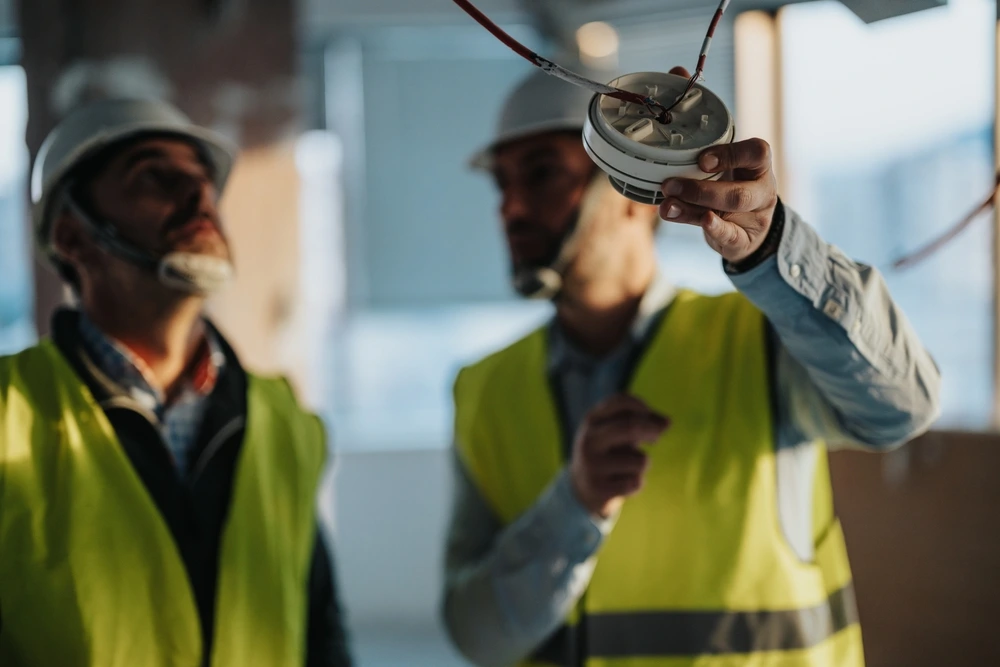
When to Call a Professional
Licensed Electricians Keep Your Home Safe
Sometimes flickering lights or electrical glitches indicate problems that are not visible. These issues could be faulty wiring, grounding problems, or outdated electrical panels. Trying to fix them yourself can be risky, which is why a licensed electrician is essential for both safety and long-term protection.
Professional electricians offer more than just repairs. They can:
- Detect hidden issues before they become major hazards.
- Ensure safe installation and wiring during renovations or upgrades.
- Perform preventive maintenance to reduce the risk of electrical failures.
- Check that circuits, breakers, and outlets comply with safety standards.
Even minor problems can become serious if ignored. Scheduling regular inspections with a professional ensures your home is safe and your electrical system runs efficiently. Safe learning environments benefit from proper electrical setup, as seen in how interior design boosts kids’ reading & learning.
For residents and businesses in Dubai, routine electrical maintenance Dubai by a qualified professional helps prevent accidents and protects your property.
Preventive Tips to Avoid Flickering Lights
Keep Your Home Bright and Safe
Flickering lights can be prevented with simple, consistent care. Following a few easy steps ensures your home stays well-lit and your electrical system remains safe.
- Avoid overloading circuits and extension cords, as this can strain your electrical system and cause voltage drops.
- Replace old wiring and outlets on time. Aging wires may spark or lead to flickering, so timely maintenance is key.
- Use high-quality, energy-efficient bulbs, which last longer and reduce the chance of flickering.
- Regularly inspect and maintain your electrical systems, checking for loose connections, damaged cables, or overheating outlets.
- Keep appliances and AC coils clean, as dust and debris can impact voltage stability. Following proper AC coil cleaning tips helps prevent electrical fluctuations.
Taking these precautions not only improves lighting performance but also enhances overall safety. Simple, consistent care helps avoid common electrical issues, reduces fire risk, and extends the life of your home’s wiring. These home electrical safety tips and lighting maintenance practices make your living space safer, brighter, and worry-free.
Take Action Before Flickering Lights Turn Risky
Flickering lights might seem minor, but they can also be a sign of serious electrical problems. While some issues can be safely handled with simple DIY fixes, repeated flickering, sparks, or burning smells are warning signs you should never ignore. Protect your home and family by scheduling a professional inspection. For reliable service and expert advice, contact Mqoola Services today or visit us, and ensure your home stays bright and safe.
FAQs
Q1: Why do my lights flicker only at night?
Evening flickers are usually caused by higher electricity demand in your area or minor voltage fluctuations. Monitoring your circuits can help identify the pattern.
Q2: Can I fix flickering lights myself?
Yes, small issues like loose bulbs or switches can be fixed safely. For persistent problems, it’s best to call a licensed electrician to avoid bigger home electrical issues.
Q3: Are LED lights more prone to flickering?
LEDs can flicker if the voltage fluctuates, the bulb is faulty, or if incompatible dimmer switches are used. Using high-quality bulbs often prevents this.
Q4: Can flickering lights cause fire hazards?
Yes, repeated flickering from damaged wiring, overloaded circuits, or outdated outlets can increase fire risk. Following basic electrical safety tips helps reduce hazards.
Q5: How often should I get an electrical inspection?
A professional check at least once a year is recommended. Immediate inspection is necessary if you notice sparks, burning smells, or frequent breaker trips to ensure safe electrical maintenance.